


Home alcohol detox is a process that allows you to start your journey to sobriety in the comfort of your own environment. This method provides you with a familiar setting and a personalised approach to your unique needs. Knowing what to expect can help you feel more confident and ready to take on this important step.
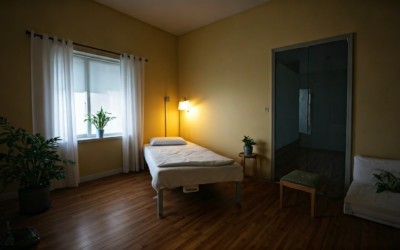
Detoxing at home means managing the space around you to aid in your recovery. You will need to create an environment that supports healing and rest. This involves organising your home to make it conducive to the process and ensuring you have everything you need within reach.
Getting ready for detox also includes understanding the withdrawal symptoms you might experience. Being prepared for these symptoms, both mentally and physically, can make the journey less daunting. It’s crucial to have a support network in place, whether it’s family, friends, or healthcare professionals, to guide and motivate you along the way. A robust support system can make the difference in helping you reach your goals and maintain them in the long run.
Understanding Home Alcohol Detox: Key Components and Process
Home alcohol detox involves cleansing your body from alcohol while managing withdrawal symptoms in a familiar setting. The process starts with a detailed assessment by healthcare professionals. This assessment helps determine your health status and creates a personalised detox plan. Understanding these elements prepares you for the journey ahead.
Key Components of Home Detox:
1. Medical Supervision: While you stay at home, detox should be supervised by healthcare providers. They offer guidance, monitor progress, and adjust treatment plans as needed.
2. Medication: Medicines may be prescribed to help manage withdrawal symptoms, reduce cravings, and prevent complications. These medications make the detox process safer and more comfortable.
3. Hydration and Nutrition: Proper hydration and a balanced diet support your body through detox. Eating regular meals and drinking lots of water can aid recovery and keep your energy levels steady.
4. Rest and Relaxation: Adequate rest is crucial during detox. Your body needs to recover, so prioritise sleep and find ways to relax, such as meditation or listening to calming music.
5. Emotional Support: Detox can be emotionally challenging. Having someone to talk to during this time helps maintain motivation.
Following this structured process helps ensure detox is done safely and effectively. Understanding and preparing for each step increases your chances for a successful home detox.
Preparing Your Environment for a Successful Home Detox
Setting up the right environment at home is crucial for a successful detox. Your surroundings can significantly affect your ability to stay focused and comfortable, so it’s important to arrange your space thoughtfully.
Steps to Prepare Your Environment:
– Declutter: Remove any unnecessary items that might cause stress or distraction. A tidy space promotes calm and focus, helping you stay on track.
– Create a Relaxing Area: Set up a dedicated space for relaxation and rest. Comfortable seating, soft lighting, and calming decor can create a soothing atmosphere.
– Equip for Comfort: Ensure you have enough blankets, pillows, and comfortable clothing. These items will help you relax and feel secure during difficult moments.
– Stock Up on Essentials: Have everything you need, like healthy snacks, water, and personal hygiene products, within easy reach. This prevents unnecessary trips or disruptions.
– Limit Distractions: Reduce noise by turning off unnecessary electronic devices or using earplugs. A quiet environment helps maintain focus and peace of mind.
– Inform Others: Let family or housemates know about your detox and what you need. Their understanding will support a quieter and more supportive home setting.
Preparing your environment plays a critical role in the success of your detox. By shaping your surroundings to support recovery, you’ll increase your comfort and ability to focus on getting better. This thoughtful preparation can help provide the foundation for a smoother detox journey.
Managing Withdrawal Symptoms at Home: What to Expect
When detoxing from alcohol at home, you might face withdrawal symptoms. These can range from mild to severe, depending on how much and how long you’ve been drinking. Knowing what to expect can help you prepare and manage these challenges effectively.
Common Withdrawal Symptoms:
1. Mild Symptoms: These can include headaches, nausea, and anxiety. They usually start within a few hours after your last drink.
2. Moderate Symptoms: As time progresses, you might experience sweating, tremors, or trouble sleeping. It’s important to stay calm and hydrated, addressing each symptom as it arises.
3. Severe Symptoms: In some cases, people might face hallucinations, seizures, or confusion. These need immediate medical attention to ensure safety.
Tips for Managing Symptoms:
– Stay Hydrated: Drink plenty of water and fluids. Proper hydration eases headaches and helps flush out toxins.
– Eat Regular Meals: Nutritious foods can boost your energy and support your body. Stick to small, frequent meals to keep your strength up.
– Focus on Breathing: Simple breathing exercises can help ease anxiety and promote relaxation.
– Seek Medical Help: If you experience severe symptoms, contact a healthcare provider. Professional guidance ensures your safety during detox.
By understanding and managing withdrawal symptoms, you can navigate the detox process more smoothly. Taking these proactive steps helps you remain comfortable and safe as your body adjusts to the absence of alcohol.
Essential Support for Home Detox: Building Your Network
Support from others is essential when undergoing home detox. Having a strong network ensures you have help and encouragement when needed the most. This network surrounds you with care and understanding, making the process easier.
Building Your Support System:
– Family and Friends: They can offer emotional support and practical help, such as preparing meals or running errands. Let them know what you’re going through and how they can assist.
– Medical Professionals: Regular check-ins with healthcare providers monitor your progress. They can offer advice and adjust medications to make detox smoother.
– Support Groups: Connecting with others who understand your journey provides extra encouragement. Virtual groups or local meetings can be a source of shared strength and advice.
– Counsellors and Therapists: Professional guidance can address any emotional challenges. Therapists help develop coping strategies to manage stress or anxiety during detox.
Having a strong support network empowers you to take on the detox journey with confidence. By surrounding yourself with supportive people, you increase your chances of success and make the process a positive experience.
Conclusion
Home alcohol detox is a significant step towards a healthier and more balanced life. It requires careful preparation, understanding of withdrawal symptoms, and a supportive environment. By familiarising yourself with the detox process at home, preparing your space, and knowing how to handle withdrawal symptoms, you are setting a strong foundation for success.
Building a solid support network is crucial. This network not only provides encouragement but also offers practical help when needed. Friends, family, medical professionals, and support groups all play a pivotal role in guiding you through this journey.
If you’re ready to take the first step in your detox journey, the Equilibrium Project is here to help. Whether you’re looking to do alcohol detox at home in the UK or at a retreat, we provide the support and guidance necessary for a safe and effective process. Reach out to us today and start your path to recovery with confidence.


0 Comments