


Embarking on a home alcohol detox is a significant step towards recovery, demanding preparation and forethought to ensure a safe and successful detoxification experience. To help you commence this process with peace of mind, we have compiled a practical checklist outlining the essential seven steps to create a supportive home environment that promotes positive outcomes on your path to sobriety.
In this article, we will guide you through the crucial considerations necessary to guarantee a smooth detox experience, from the importance of medical supervision to the creation of a withdrawal management plan, and the establishment of a comfortable and conducive space.
Whether you’re initiating this journey on your own or supporting a loved one, this checklist will assist you in confidently navigating the home alcohol detox process, laying a solid foundation for lasting recovery and well-being.
1. Consult a Healthcare Professional Before Starting
Before beginning a home alcohol detox, it is crucial to consult a healthcare professional or addiction specialist. They will evaluate your alcohol use history, current health status, and potential risks associated with detoxification.
Medical supervision is essential in the detox process because withdrawal symptoms can range from mild to severe and, in some instances, can be life-threatening. By seeking professional guidance and support, you can ensure a safe and well-managed detox plan tailored to your unique needs.
2. Create a Withdrawal Management Plan
Developing a withdrawal management plan in collaboration with your healthcare professional is an essential part of a home detox. This plan should outline:
– A timeline for reducing and ultimately ceasing alcohol consumption
– Withdrawal symptom management strategies
– Medications to alleviate withdrawal symptoms, if recommended by your healthcare provider
– Daily check-ins with a medical professional to report progress and address any concerns
– A contingency plan in case of severe withdrawal symptoms or complications
Having a structured plan in place can help you navigate the detox process with greater ease and reduce the potential for setbacks.
3. Designate a Support Person or Team
A strong support system is crucial during the detox process. Enlist the help of a trusted family member, friend or professional to support and encourage you through withdrawal.
This person should be readily available to monitor your symptoms, assist with medication administration if necessary, offer emotional support, and hold you accountable to your detox and recovery goals. Having someone nearby who understands the detox process and is committed to your well-being can significantly improve your chances of success.
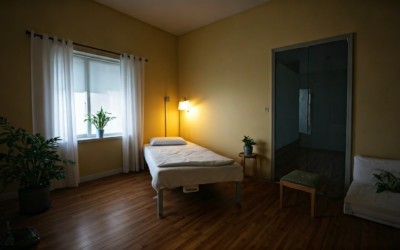
4. Establish a Comfortable and Conducive Environment
Your home environment should be set up in a way that promotes relaxation and recovery during the detox process. Consider making the following adjustments:
– Remove all alcoholic beverages and triggers from your home
– Ensure your space is clean, organised and promotes a sense of calm
– Create a designated relaxation area with comfortable seating, soft lighting, and calming elements (e.g. blankets, pillows, soothing scents)
– Stock up on healthy snacks and hydrating beverages, as proper nutrition and hydration are essential during detox
– Prepare a list of activities to occupy your time and keep your mind engaged, such as books, puzzles, movies, or crafts
By creating a supportive home environment, you can better focus on your recovery and minimise external stressors.
5. Incorporate Relaxation Techniques and Holistic Therapies
Incorporating relaxation techniques and holistic therapies can help alleviate withdrawal symptoms and improve overall well-being during home detox. Some examples include:
– Deep breathing exercises: Practising deep breaths can help reduce anxiety, stress and promote relaxation during detox.
– Progressive muscle relaxation: This technique involves tensing and releasing various muscle groups to relieve tension and stress.
– Meditation: Regular meditation can help promote mental clarity, focus and reduce withdrawal-related anxiety.
– Yoga: Gentle yoga sessions can enhance relaxation, improve flexibility and promote mindfulness, making it a valuable addition to your detox routine.
– Aromatherapy: Diffusing essential oils such as lavender, chamomile, or ylang-ylang can help create a calming atmosphere and reduce stress during withdrawal.
Identify the relaxation methods that work best for you and integrate them into your detox plan to boost your emotional and physical well-being.
6. Initialise a Sleep Routine
Sleep disturbances, such as insomnia, are common during alcohol withdrawal. Developing a sleep routine can help improve sleep quality and promote overall relaxation during detox. Consider implementing the following nightly practices:
– Establish a consistent sleep schedule, going to bed and waking up at the same time every day
– Create a relaxing bedtime routine that includes activities such as reading, deep breathing exercises, or a warm bath
– Minimise exposure to screens and electronic devices at least one hour before bed
– Maintain a cool, dark and quiet sleeping environment
– Avoid caffeine and heavy meals prior to bedtime
Proper sleep is essential for mood regulation, cognitive functioning, and overall well-being during detox and beyond. Prioritise establishing healthy sleep habits to support your recovery journey.
7. Ensure Continual Support and Connection
Isolation can hinder recovery and contribute to feelings of depression or anxiety. Ensuring that you have ongoing support and connection during and after your home detox is vital to success and long-lasting recovery.
Stay in regular contact with your healthcare professional, support person, and engage with local or online support groups for individuals recovering from alcohol addiction. These connections can offer encouragement, relatable experiences, and guidance, making it easier for you to stay committed to your sobriety goals.
By following these seven steps to prepare for a successful home alcohol detox, you can confidently embark on your journey to recovery and renewed well-being. Keep in mind that support and guidance from medical professionals and loved ones are crucial components of an effective detox plan.
Embrace Recovery with Confidence
Preparation is key when embarking on a home alcohol detox, and by following these crucial steps, you can ensure a safe and effective detox experience. Remember that professional guidance, appropriate planning, and a solid support system are vital components to fostering a successful recovery.
At Equilibrium Project, our dedicated team is available to provide personalised care and support for individuals seeking help with alcohol detox and beyond, whether at home or in a retreat setting.
If you’re ready to embrace a lasting recovery journey and are interested in our supportive and tailored home detox plans, don’t hesitate to contact the Equilibrium Project for more information. Take the first step towards lasting sobriety and well-being with the knowledge and confidence you need for success!


0 Comments